Sports • NIL • Revenue Share • Athlete Representation
Know Before
You Sign
NIL deals, revenue share offers and agent contracts move fast, and the paperwork rarely favors the athlete. DMW Consulting reads the fine print, explains it in plain language and negotiates terms that protect your name, your eligibility and your future.
Practice areas
Before You Sign
Every agreement an athlete signs shapes what comes next. We review, explain and negotiate the three kinds of contracts that matter most in college and professional sports today.
NIL & Endorsement Agreements
Brand deals, collective agreements, appearances and social media campaigns.
What we read for
- Payment terms and deliverables
- Exclusivity and conflicts with team sponsors
- How long the deal runs and how it ends
- Reporting for deals of $600 or more
Revenue Share Agreements
Direct payments from schools under the House settlement, in place since July 1, 2025.
What we read for
- What rights the school is buying
- Roster, transfer and buyout terms
- How payments are scheduled and stopped
- How it fits with outside NIL income
Agent & Representation Agreements
Contracts with agents, marketing firms and managers.
What we read for
- Commission rates and what they apply to
- Length of the agreement and exit terms
- Who actually does the work
- State registration rules for agents
Nothing gets signed until someone on your side has read every line.
The question every family asks
Do I Need an Agent, an Attorney—or Both?
They do different jobs. Knowing the difference keeps you from paying twice, or from signing something no one on your side has read.
An agent
Finds opportunities, markets the athlete and brings deals to the table. Usually paid a percentage of what the athlete earns.
An attorney
Owes the athlete a legal duty. Reviews and negotiates the contracts, including the agent’s own agreement, and protects eligibility and long-term rights.
Both
Many athletes benefit from an agent who finds the deals and an attorney who makes sure each one is fair before anyone signs.
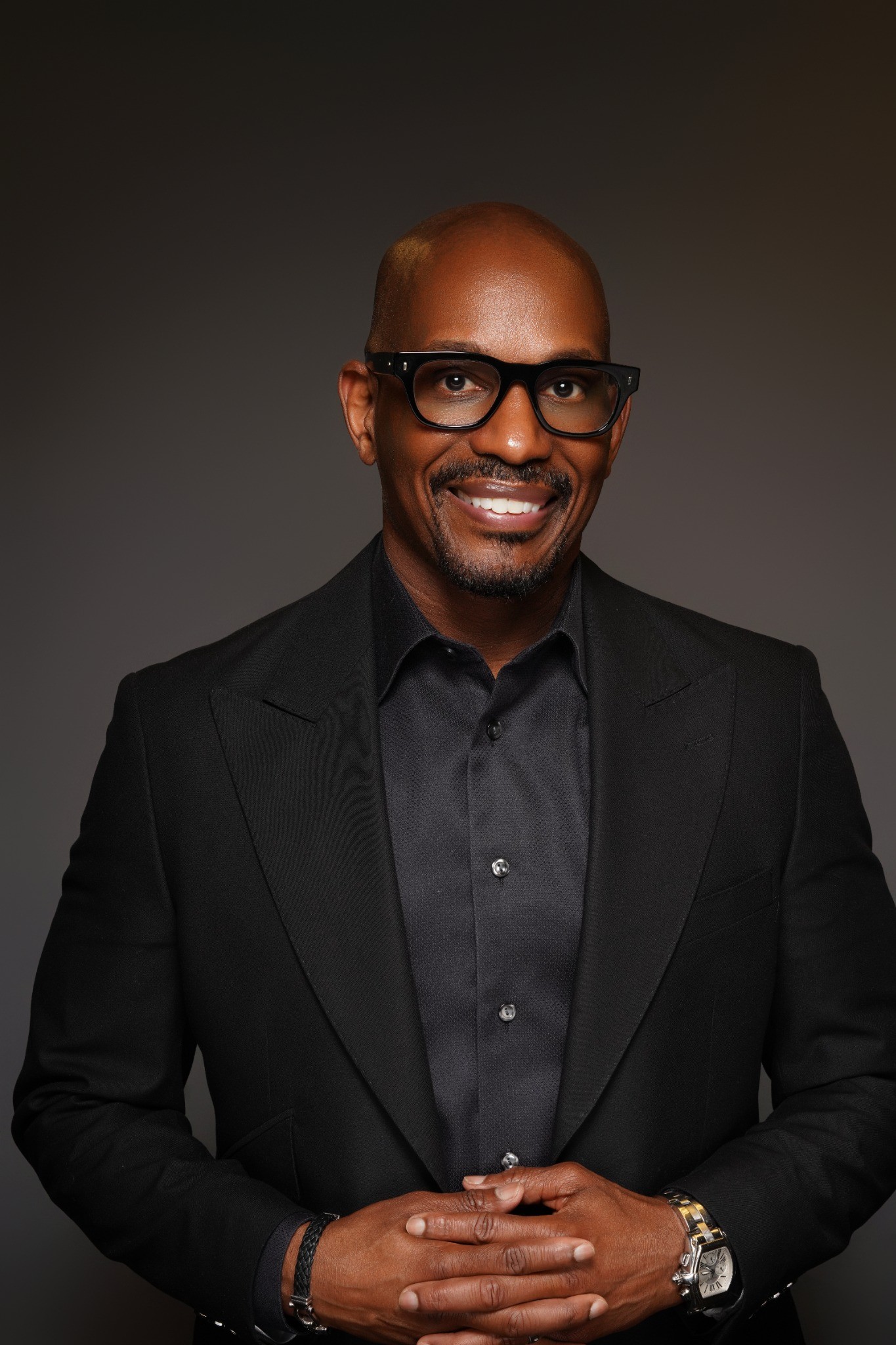
Donald M. WoodardFounder, DMW Consulting
About DMW Consulting
Counsel That Has Been at the Table
Donald M. Woodard is a nationally recognized transactional lawyer and one of the country’s leading authorities on athlete representation, NIL and the business of sports.
He has represented athletes at landmark moments in the NIL era, including Angel Reese, the first college athlete to sign a Reebok sneaker deal; Flau’jae Johnson, the first women’s college basketball player signed by Puma and Roc Nation; and Ashton Jeanty, the 2024 Heisman Trophy runner-up and sixth overall pick in the 2025 NFL Draft.
Today he advises athletes, families and institutions on college sports after the House settlement, and serves as counsel to Rev Racing and USA Track & Field. He is also managing partner and co-founder of Carter+Woodard, an Atlanta entertainment and sports law firm.
- Education
- Morehouse College
Indiana University Maurer School of Law - Recognition
- Variety, Top Hollywood Entertainment Lawyer
Billboard, Top Music Lawyer
Georgia Super Lawyer
Client stories
Real Situations. Real Stakes.
What happens when an athlete asks the right questions before signing.
Prior results do not guarantee a similar outcome. Each matter is different and depends on its own facts. Client stories are shared with permission, and some details have been changed to protect privacy.
Questions
Frequently Asked Questions
Get started
Request a Consultation
Tell us what you’re facing. If there’s a signing deadline, include it and we’ll respond with that date in mind.